“Lifeline One-Zero”
The cockpit of the Cessna 208B Grand Caravan was dark, save for the intense, colorful glow of the dual Garmin G1000 screens. Outside, the rain was slanting heavily across the tarmac at Bodø Airport (ENBO). On the copilot’s seat sat a secure, temperature-controlled cooler. Inside was a donor liver, harvested less than two hours ago. Every minute mattered.
“Bodø Delivery, Lifeline 10, Cessna Caravan, IFR to Kristiansund, ready for clearance.”
“Lifeline 10, Bodø Delivery, cleared to Kristiansund Airport via RETOS, airway Mike 609, KVERN. Climb and maintain Flight Level 120. Squawk 4212. You have priority handling, MEDEVAC status confirmed.”
The PT6 turboprop engine roared to life with its characteristic metallic whine. Minutes later, the Caravan surged down Runway 25, lifting into the murky Norwegian night. The moment the wheels left the ground, the aircraft was swallowed by a wall of dense gray clouds.
At 9,500 feet, the Cessna Caravan was flying right through the teeth of the North Atlantic weather front. With a fierce 33-knot wind tearing in from 283°, the aircraft was constantly buffeted by mechanical turbulence rolling off the Norwegian fjords. On the G1000 MFD, the magenta trend line showed a severe drift; the pilot had to crab the aircraft’s nose nearly fifteen degrees to the right just to maintain the tracked airway toward Kristiansund.
The strong headwind component dragged their ground speed down, stretching the estimated time en route by an extra ten minutes. At 9,500 feet, the Outside Air Temperature (OAT) hovered exactly at -2°C—the prime danger zone for structural icing. Heavy moisture from the ocean froze instantly upon impact, coating the windshield in a sheet of clear ice and forcing the pilot to cycle the de-ice boots continuously while keeping the windshield heat on high.
“Lifeline 10, Norway Control,” the radio crackled as the airframe shuddered through another wave of clean-air turbulence. “That wind from 283° is pushing right across the coast. Kristiansund is reporting severe low-level wind shear. Expect a rough ride on final. You are cleared to descend at your discretion to 4,000 feet.”
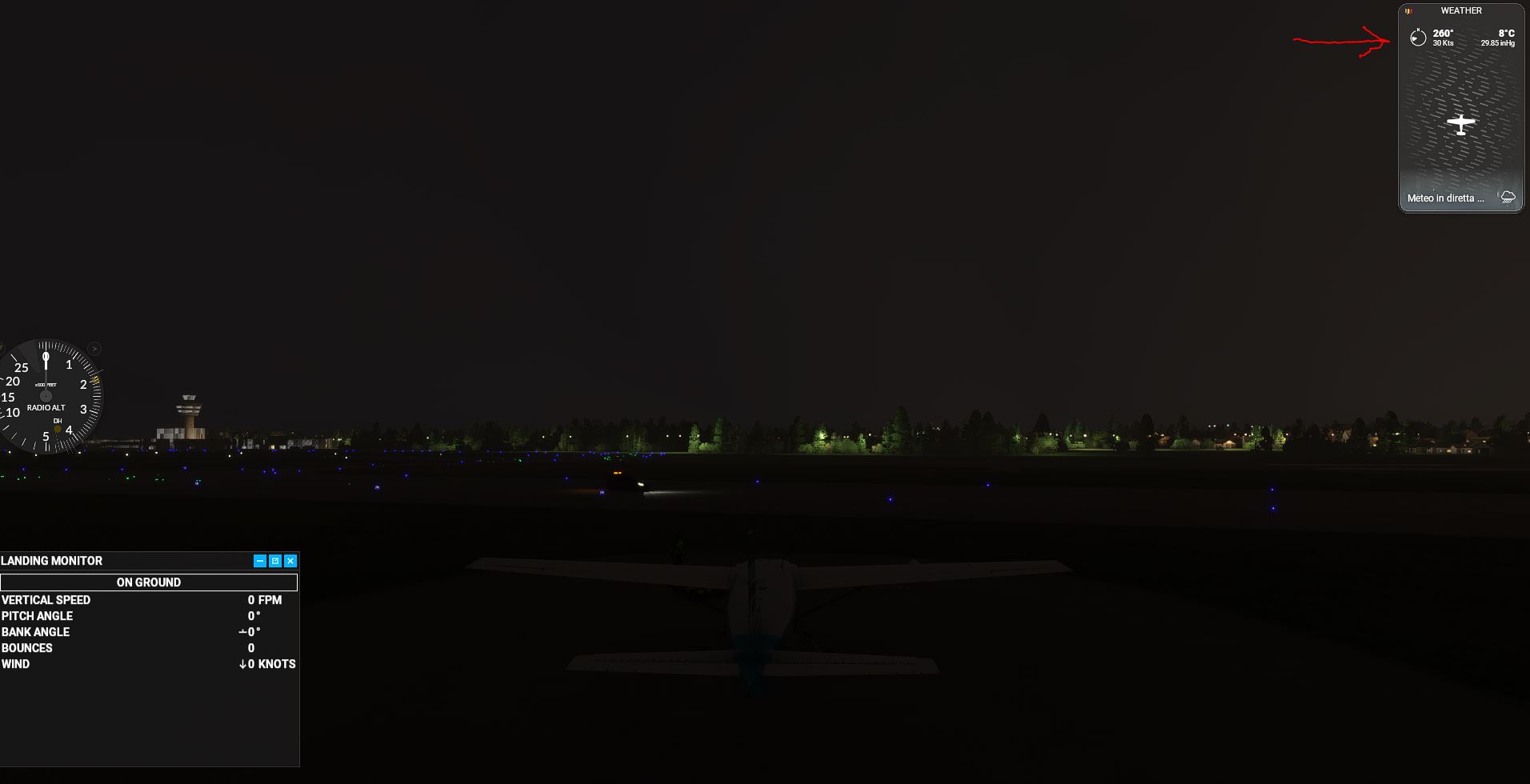
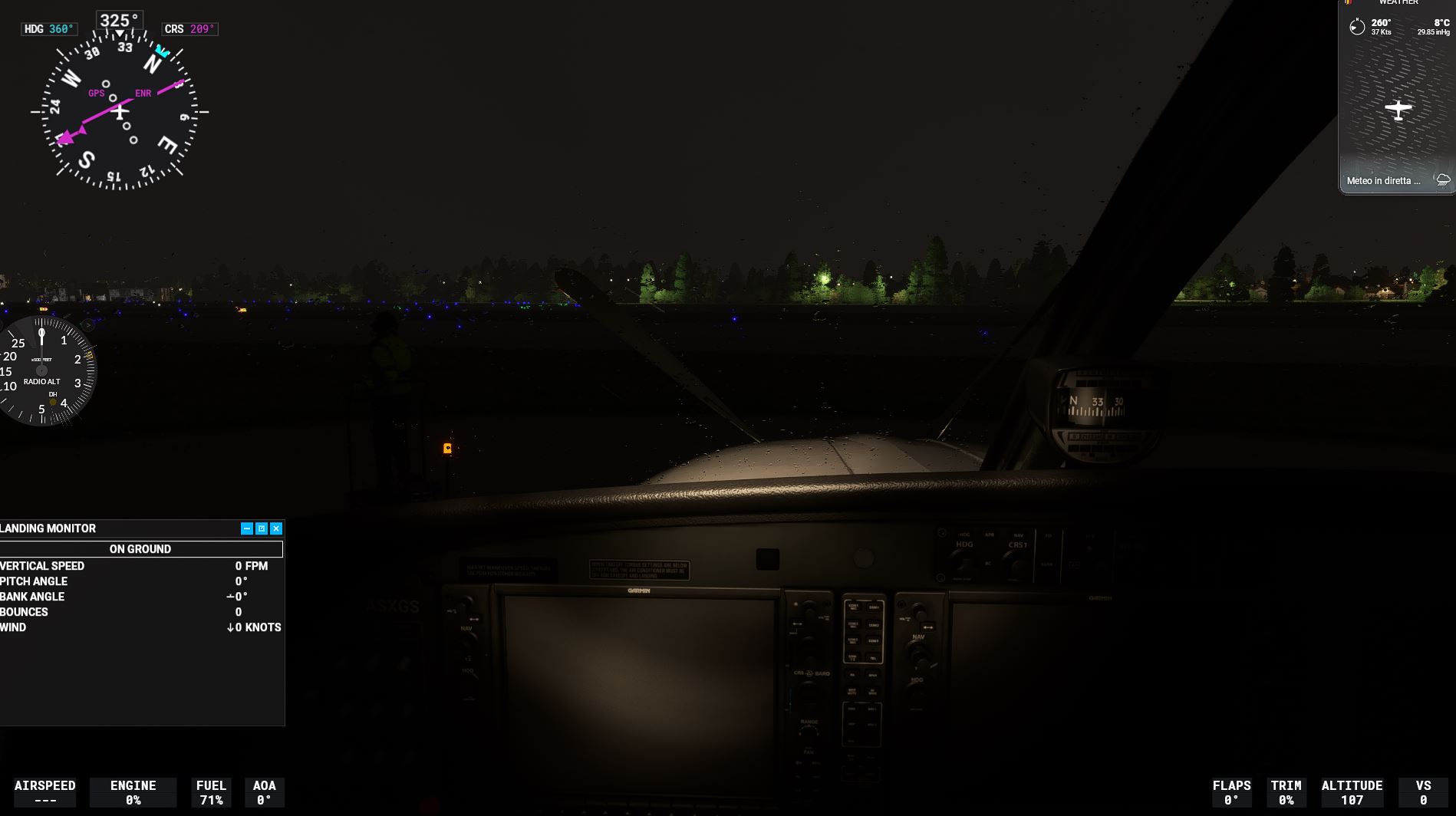
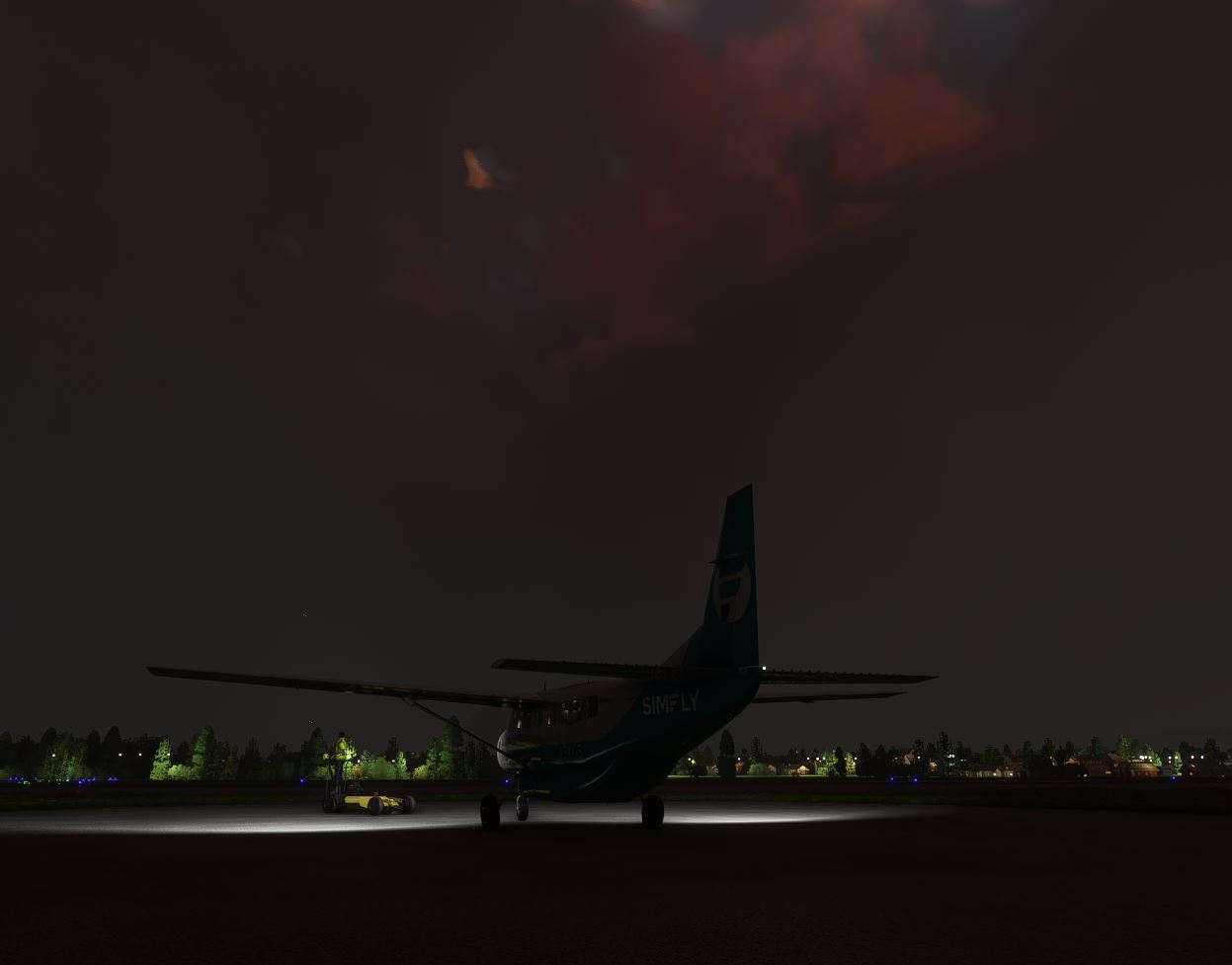
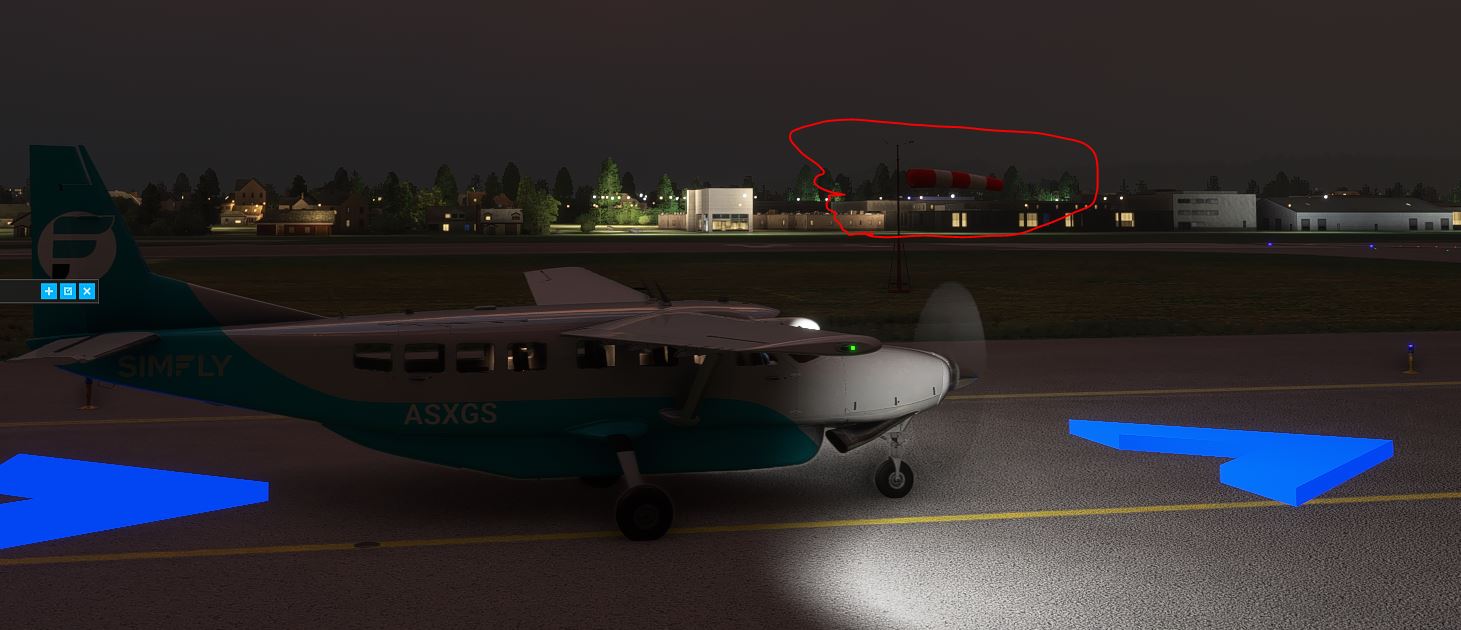
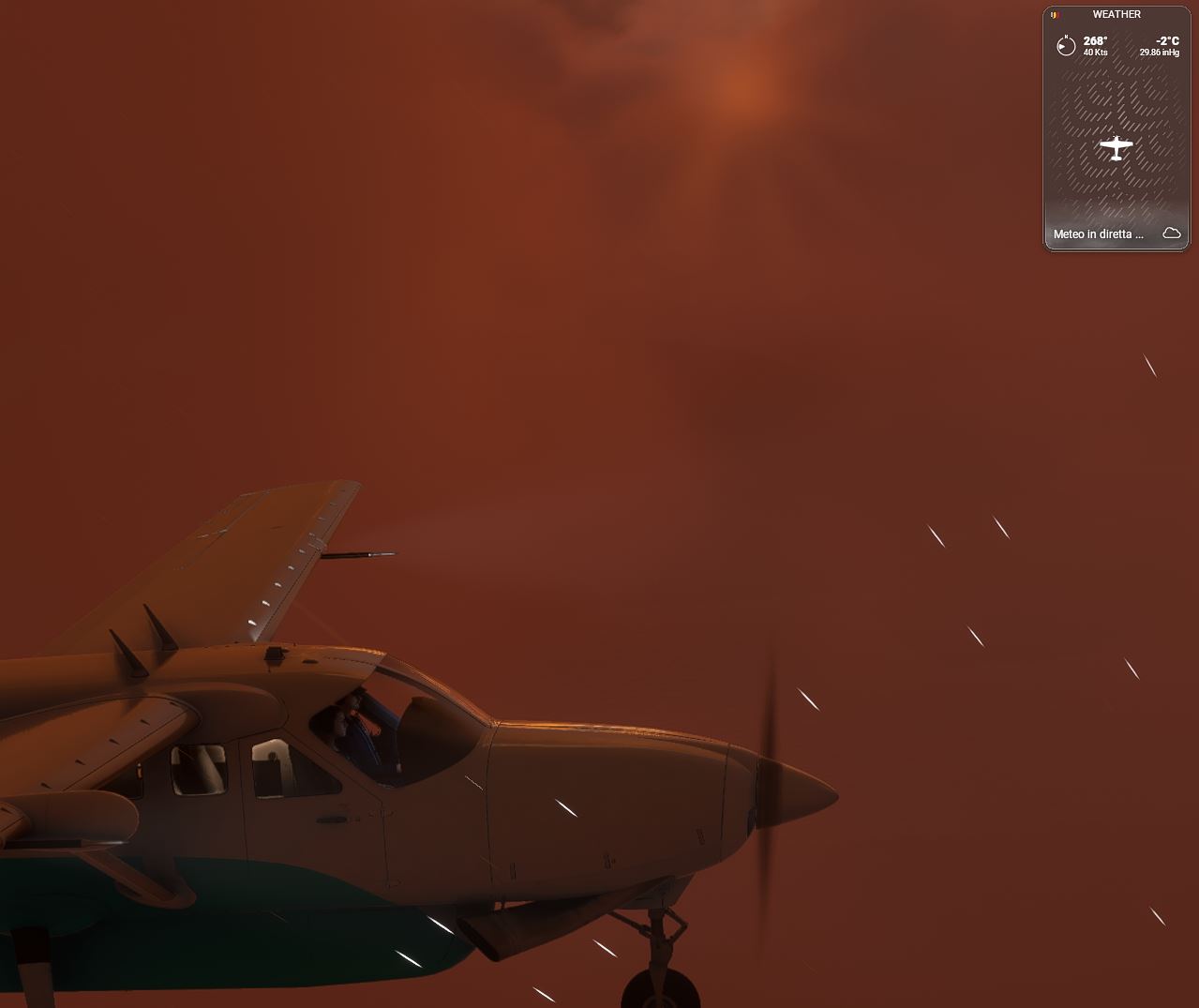
Immediately, he pulled the Inertial Separator handle to BYPASS to protect the engine, turned on the prop de-ice, and activated the pneumatic boots. The ice cracked and peeled away in large chunks into the dark Atlantic air. The Caravan pushed through the headwind, its digital flight path tracking perfectly along the rugged, fjord-carved coastline.
“Lifeline 10, Norway Control. Contact Trondheim Sector on 124.05. Safe flight, Captain, they are waiting for you down south.”
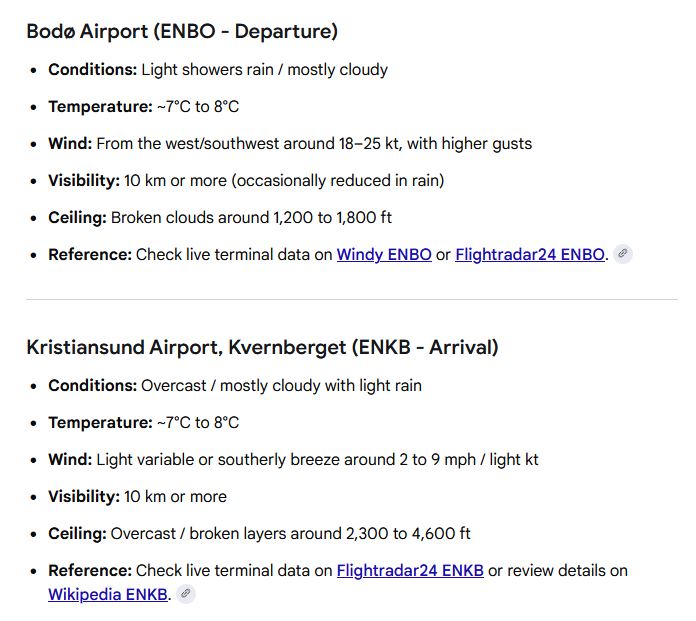
An hour and twenty minutes after departure, the G1000 map showed the destination approaching. But the weather at Kristiansund (ENKB) had deteriorated. The automated broadcast painted a grim picture: winds from the west at 22 knots gusting to 32, visibility 2 miles in heavy rain, ceiling 400 feet. Right on the edge of the ILS approach limits.
“Kristiansund Tower, Lifeline 10, passing KVERN, established on the ILS Runway 25.”
“Lifeline 10, Kristiansund Tower. Wind 260 at 24 knots, gusting 34. Cleared to land Runway 25. The emergency vehicles are on standby on the apron to assist your transfer.”
The pilot disconnected the autopilot at 800 feet. The aircraft shook and crabbed heavily to the right to fight the fierce crosswind pushing off the ocean. Holding the heavy airframe steady, the pilot kept the digital glideslope diamond centered.
400 feet… nothing but gray mist.
300 feet… still blinding rain.
250 feet…
Suddenly, the bright approach lights flashed through the downpour. “Runway in sight,” the pilot muttered aloud. He kicked the left rudder to straighten the nose, flared slightly, and the rugged landing gear touched down firmly on the wet asphalt of Runway 25. He pulled the throttle back into beta range, the propeller reversing with a loud roar, slowing the heavy Caravan quickly.
The pilot taxied directly to the general aviation apron. Waiting under the driving rain, its rotors already turning and slicing through the storm, was an Airbus H145 Air Ambulance helicopter from the Luftambulansetjenesten.
The pilot shut down the PT6 engine, cracked open the cargo door, and lifted the medical cooler. Two paramedics in high-visibility orange flight suits ran up to the wing, shielding their faces from the wind.
“Great flying, Captain! We’ve got it from here,” the paramedic yelled over the noise of the helicopter.
They locked the cooler into the back of the H145. Within sixty seconds, the helicopter lifted off vertically, turning south-southeast toward the mountains. It would clear the 48 kilometers to the new regional hospital at Hjelset (SNR) in less than ten minutes, landing directly on the roof pad.
The pilot stepped back into the quiet cockpit of his Caravan, turning off the battery switches. The G1000 screens went black. The flight was over, the air bridge was complete, and somewhere in Hjelset, a patient was about to get a second chance at life.